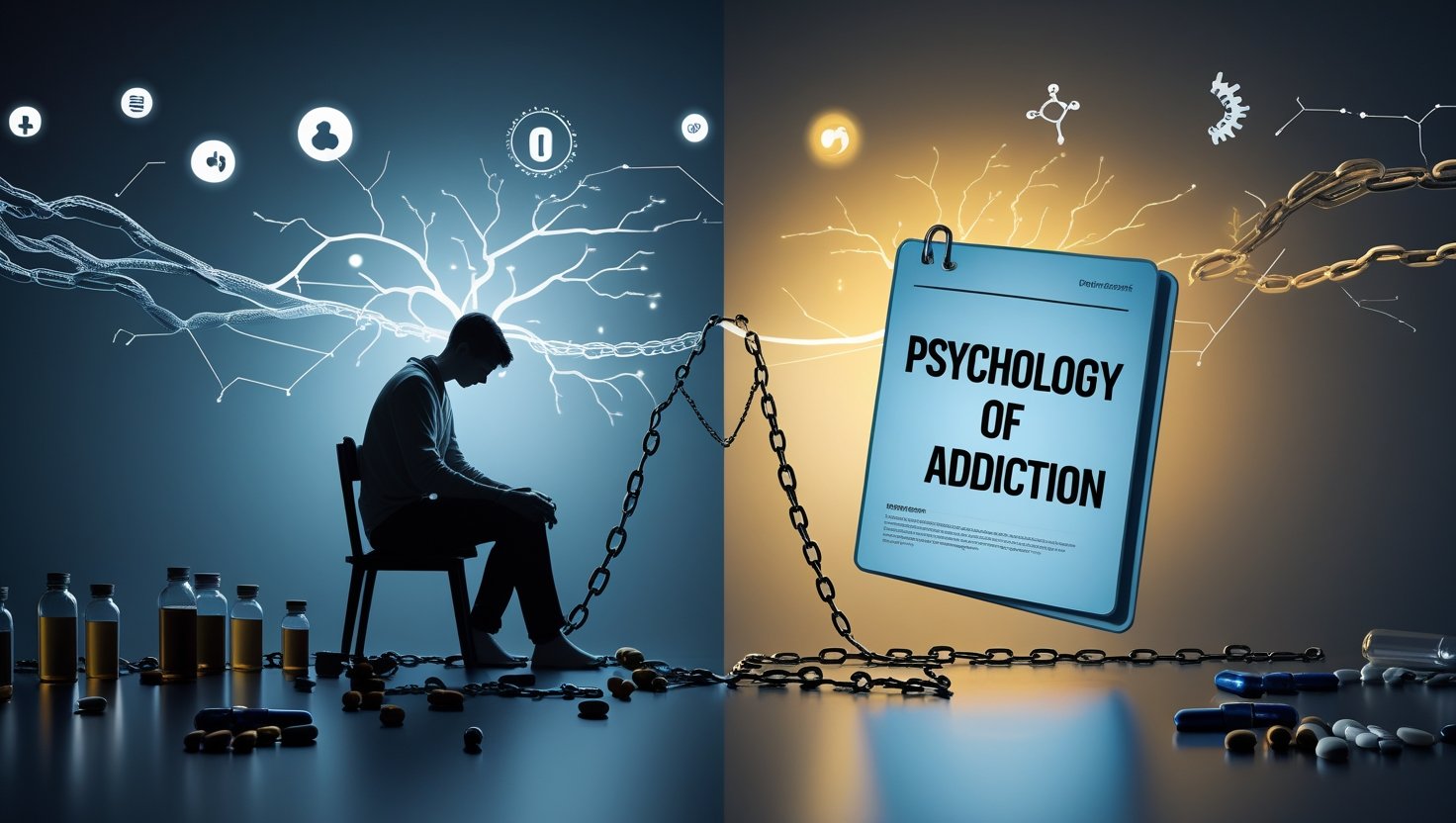
Addiction means becoming so addicted to something that it becomes difficult to live without it. Often, people think it is just the result of a bad habit or weak intentions. But actually, addiction is a deep psychological and neurological issue that completely changes the reward system of the human brain. When a person repeatedly uses drugs, alcohol, or any other substance, a chemical called dopamine is released in their brain, which gives a feeling of temporary happiness and peace. This rush of dopamine teaches the brain to want these things again and again, and thus begins an addictive cycle.
Addiction is not limited to physical cravings, it also has deep effects on emotional and psychological levels. People often adopt addictive behavior to escape from their pain, stress, or any traumatic experience. This behavior slowly goes out of control, and the person cannot stop it even if he want to leave it.
The purpose of this blog is to understand that addiction is not just a habit, but a complex brain disorder. We will explore how the brain’s reward system works, how psychological triggers contribute to addiction, and how mental health and addiction are deeply intertwined. Understanding is the first step toward recovery.
How Addiction Affects the Brain – Dopamine, the reward system, and the game of craving:
The deepest effect of addiction is on the human brain, especially its reward system. When we do something that gives us pleasure or peace, such as eating chocolate, spending time with friends, or enjoying an achievement, the brain releases dopamine. Dopamine is a chemical that makes the brain feel rewarded. But when a person uses drugs or alcohol, these substances release abnormally high amounts of dopamine, much more than natural activities. This signals to the brain that these things are very important and need to be done frequently.
Slowly, the brain becomes addicted to this excessive dopamine release, and natural activities such as exercise, eating, or friendship begin to become less enjoyable. This process changes brain pathways through neuroplasticity, meaning the brain gets rewired. This is why cravings become so strong that a person is not in control of them. It is important to understand that addiction is not just a choice, but physical and chemical changes within the brain that maintain it. These changes are so powerful that recovery requires time, therapy, and a support system.
Types of Addiction – Difference between Substances vs. Behavioral Addictions:
Addiction is of two main types: substance addiction and behavioral addiction. Substance addiction includes things that are consumed physically, such as alcohol, cigarettes, heroin, cocaine, and prescription drugs. These things directly affect brain chemistry and increase dopamine levels, which makes a person addicted to them. People initially use these substances to avoid stress or tension, but over time, it becomes a routine that goes out of control.
Behavioral addiction, on the other hand, is the name for those things in which a person becomes addicted to some activity, such as gambling, internet use, gaming, shopping, or even exercise. No chemical is used in these, but still, these activities stimulate the brain’s reward system and release dopamine. This causes a person to get immersed in these behaviors, lose track of time, and feel anxiety and stress when they try to stop these things.
The common thing in both types of addiction is that the person cannot stop them according to his will, and daily life gets seriously disturbed. Whether it is a substance or a behavior, addiction affects the same system of the brain, and the treatment for both is almost similar – recovery is possible through therapy, support, and self-awareness.
Psychological Triggers – Role of Emotions, Trauma, and Stress:
Addiction is often not just a matter of brain chemistry, but there are emotional and psychological triggers behind it. Many people are dealing with emotional pain, past trauma, or chronic stress and resort to drugs, alcohol, or compulsive behaviors to avoid those feelings. These things provide temporary relief but do not solve the real problem, rather, they make it worse.
When someone goes through a traumatic experience, such as childhood abuse, domestic violence, or loss of a loved one, their brain becomes hyper-sensitive, and this creates problems in normal emotional regulation. Addiction becomes a way of numbing those emotions. People want to avoid feeling them, and addictive behaviour gives them relief for some time. But this relief becomes a habit as time passes.
Stress is also a major trigger. When a person feels pressure in everyday life – for example, job tension, family conflict, financial problems – he turns to addictive substances or activities for relaxation. This coping mechanism is unhealthy but seems to be effective in the short term. Therefore, in therapy, it is important to first identify the psychological triggers and find a healthy solution for them.
Addiction and Mental Health – Dual diagnosis and co-occurring disorders:
Addiction is often not a single issue, but it often occurs with another mental health issue, which is called a dual diagnosis or co-occurring disorder. For example, mental illnesses such as anxiety, depression, PTSD, bipolar disorder, or OCD are commonly found with addiction. Often, people do not get treatment for these mental health problems and use addictive substances as self-medication.
This cycle is dangerous. Mental health disorder pushes a person towards drugs or alcohol and addiction then worsens their mental health further. Both conditions together create a situation where recovery becomes difficult unless both are treated together. Doctors and therapists must understand that treating just the addiction is not enough unless the underlying mental health issue is addressed.
Integrated treatment approaches, which include medication, psychotherapy, and support groups, have proven to be very effective. Therapies such as CBT (Cognitive Behavioral Therapy) and DBT (Dialectical Behavior Therapy) address both issues together. Only when the patient gets help for both conditions, the chances of sustainable recovery increase. It is important to have this awareness that addiction is not just a physical dependency but also a complex, emotional, and psychological struggle.
Recovery and Treatment Approaches – Therapy, medication, and brain rewiring
Recovery from addiction is possible, but the process is slow, complex, and individualized. Every person’s experience is different, and therefore, a different treatment approach is needed for each person. First of all, it is important to understand that addiction cannot be overcome with willpower alone – it requires therapy, medication, and consistent support.
Cognitive Behavioral Therapy (CBT) is a common and effective method that helps patients understand and change their thought patterns and behaviors. This therapy helps people identify their triggers and learn healthy responses to them. Medication is also helpful in some cases, especially when addiction is accompanied by depression, anxiety, or withdrawal symptoms.
Group therapy and support groups, such as NA (Narcotics Anonymous) or AA (Alcoholics Anonymous), also provide emotional support where people gain motivation and understanding by sharing their experiences. Recovery also involves the concept of brain rewiring, forming new healthy habits as the brain develops new pathways. This is a process of neuroplasticity that happens with time and patience. Recovery does not just mean getting over the addiction, but building a new life, one that involves awareness, balance, and self-respect. Every day is a new chance to make yourself better.
Conclusion:
Understanding addiction is not only important for those who are themselves suffering from this problem, but also for those who are seeing a loved one in this condition. When we consider addiction as just a bad habit or character flaw, we become distant from those people who want help. But when we start understanding that it is a brain disorder in which both chemical imbalance and emotional pain are involved, then both our thinking and approach change.
Addiction is a name for a darkness from which getting out is difficult, but not impossible. Through this blog, we have understood how the brain triggers addictive behaviour through the dopamine and reward system, psychological factors like stress and trauma promote it, and how mental health and addiction are deeply related. Along with this, we have also shed light on treatment options and steps of recovery.
The most important thing is that seeking help is not a weakness; it is courage. It is important for every person who is going through addiction to understand that he is not alone, and a better life is waiting for them. Knowledge and support are the first steps to recovery.
FAQs:
- Why does addiction happen? Is it just a bad habit?
Addiction is not just a bad habit it is a complex brain disorder. When a person repeatedly uses substances like drugs or alcohol, or engages in certain behaviors, the brain releases large amounts of dopamine, a chemical linked to pleasure. Over time, the brain starts craving these experiences, creating a cycle of dependence that goes beyond simple willpower. - How does addiction affect the brain?
Addiction primarily impacts the brain’s reward system. Normally, dopamine is released during healthy activities like eating or socializing. However, addictive substances and behaviors release much higher levels of dopamine, which rewires the brain and makes natural activities feel less rewarding. This leads to strong cravings and a loss of control. - What is the difference between substance addiction and behavioral addiction?
Substance addiction involves physical items like alcohol, drugs, or cigarettes, which directly affect brain chemistry. Behavioral addiction, on the other hand, includes compulsive behaviors like gambling, gaming, shopping, or excessive internet use. Though no substance is consumed, the brain’s reward system is still triggered. Both types involve loss of control and require similar treatments. - How are mental health and addiction connected?
Addiction is often linked with mental health disorders like depression, anxiety, PTSD, or bipolar disorder—a condition known as dual diagnosis. People may turn to addictive behaviors as a way to cope with emotional pain. However, addiction can worsen mental health symptoms, creating a dangerous cycle. Effective recovery requires treating both the addiction and the underlying mental health issue. - Is recovery from addiction possible? What does treatment involve?
Yes, recovery is absolutely possible. Treatment often includes therapy (like Cognitive Behavioral Therapy), medication, and support groups. Therapy helps individuals understand their triggers and build healthier habits. Medication may ease withdrawal or mental health symptoms. Support groups provide motivation and shared experiences. Recovery takes time, but with the right approach, people can build a healthy and balanced life.