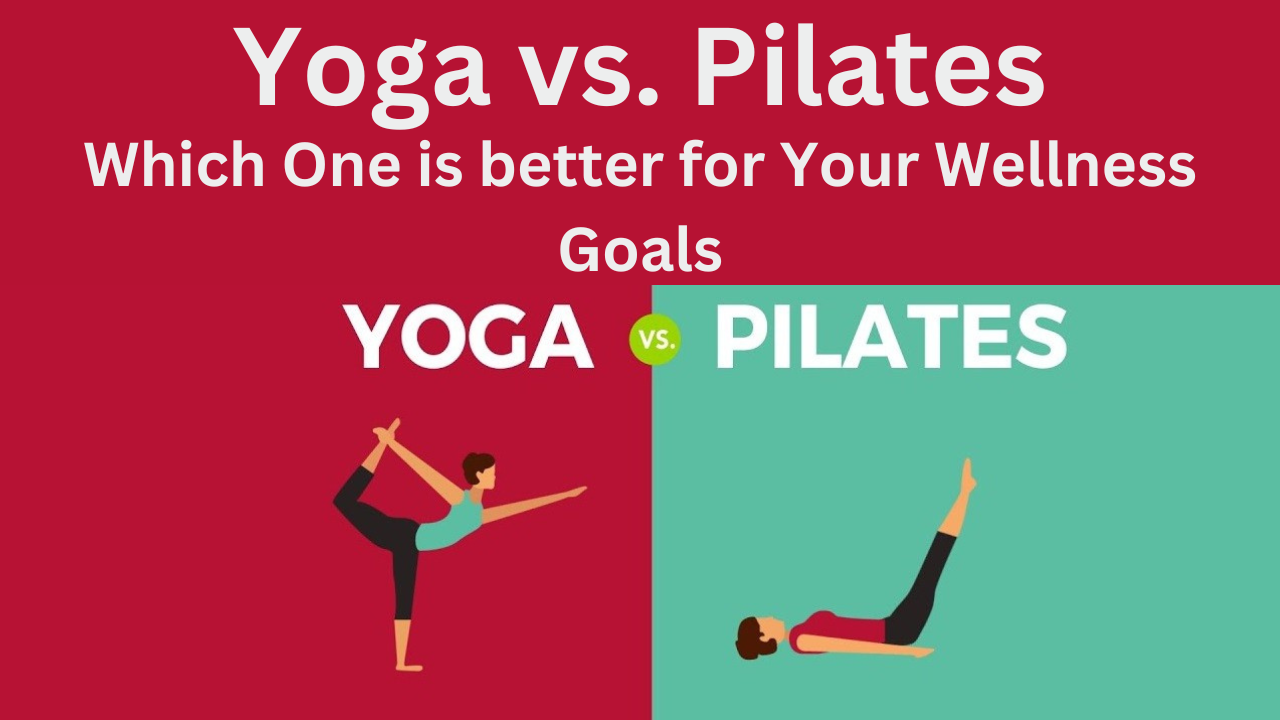
Yoga and Pilates have become very popular as holistic fitness practices and finding the right exercise regimen is crucial for general well-being. Although they both emphasize flexibility core strength and the mind-body connection their methods and advantages are different. Whether you’re looking for strength flexibility relaxation or rehabilitation your wellness objectives will determine which of yoga and Pilates is best for you. Determining which practice best suits your needs can be made easier if you are aware of their differences.
Origins and Philosophy of Yoga and Pilates:
Over 5000 years ago the ancient Indian culture gave birth to the practice of yoga. With its roots in spirituality, it combines physical postures meditation, and breath control to encourage inner peace and mental clarity. Because traditional yoga seeks self-awareness and enlightenment it is not only a physical exercise but also a way of life. Different styles including Vinyasa Ashtanga and Hatha offer varying intensities and focuses enabling people to customize their experience.
In contrast, Joseph Pilates created Pilates in the early 1900s as a way to help injured dancers and soldiers recover. It highlights stability core strength and deliberate motions. Pilates in contrast to yoga is primarily concerned with increasing muscular tone and physical endurance rather than spirituality. To improve resistance training it uses specialized equipment like reformers in addition to mat exercises
Physical Benefits:
The benefits of yoga for balance and flexibility are well known. The different poses increase overall mobility by lengthening and stretching muscles. Increased range of motion decreased stiffness and improved joint health are all benefits of regular practice. Furthermore, yoga’s focus on mindfulness and breath work improves sleep quality and lowers anxiety by regulating stress hormones.
Pilates is a great way to align your posture and strengthen your core. Focusing on deep abdominal muscle exercises helps to strengthen the spine and lessen back pain. Because of Pilate’s healing properties, many athletes and people recuperating from injuries use it. The low-impact controlled movements make it a good choice for people who want to build muscle without putting too much strain on their joints.
Mental and Emotional Well-Being:
Though in different ways yoga and Pilates both have positive effects on mental health. Yoga is especially good for reducing stress because of its meditative approach which promotes mindfulness and relaxation. The parasympathetic nervous system is activated by yoga’s encouragement of deep breathing which lowers cortisol levels and fosters calm. Yoga is a popular tool for emotional healing with many people using chanting and guided meditation to increase self-awareness.
Although it focuses more on control and focus Pilates also enhances mental health. Because each movement requires precision it requires complete focus which can enhance cognitive function and help clear the mind. Because Pilates improves mental discipline it is advantageous for people who prefer focused and structured exercises in contrast to yoga which frequently promotes emotional release.
Weight Loss and Toning:
Although the effects of yoga and Pilates differ both can be useful for people trying to tone their bodies or lose weight. Yoga can offer a cardio workout that aids in calorie burning especially dynamic styles like Vinyasa or Power Yoga. Results for weight loss however might take longer to manifest than with high-intensity exercises. Over time the strength-building poses of yoga like Warrior and Plank help to tone muscles and increase endurance.
Pilates is a very good way to tone and shape your muscles. A more defined and slender body is the result of using the core glutes and lower back. Pilate’s exercises can speed up muscle growth and increase metabolism particularly when resistance equipment is used. For those who want to develop long lean muscles without gaining too much bulk, it is a great option even though it might not offer the same cardiovascular advantages as more strenuous yoga styles.
Suitability for Beginners and Special Conditions:
Because yoga comes in so many different forms it can be done by anyone regardless of fitness level. Beginners or people with limited mobility benefit greatly from gentler styles like Hatha yoga while more experienced practitioners find more difficult styles like Ashtanga or Bikram challenging. Yoga’s versatility makes it a popular choice for senior pregnant women people with anxiety and people with chronic pain.
Pilates can be beginner-friendly but often requires guidance to ensure proper form and effectiveness. While mat Pilates is accessible, reformer Pilates may require specialized equipment and professional instruction. It is particularly beneficial for those recovering from injuries, as it strengthens stabilizing muscles and improves posture. However, individuals with certain spinal conditions should consult a professional before starting Pilates to ensure exercises are safe for their specific needs.
Conclusion:
Both yoga and Pilates offer incredible benefits, but the choice ultimately depends on your wellness goals. If you are looking for a holistic mind-body experience that integrates relaxation, flexibility, and emotional well-being, yoga may be the best fit. However, if your focus is on core strength, muscle toning, and structured movements, Pilates could be the better option. Some individuals choose to incorporate both practices into their routines for a well-rounded approach to health and fitness. Understanding your personal goals and preferences will help you decide which practice aligns best with your wellness journey.